
How to Adjust Hearing Aid Settings for Outdoor Noise
If you’ve spent time on the Bowmanville Waterfront Trail,
By: admin | July 26, 2026
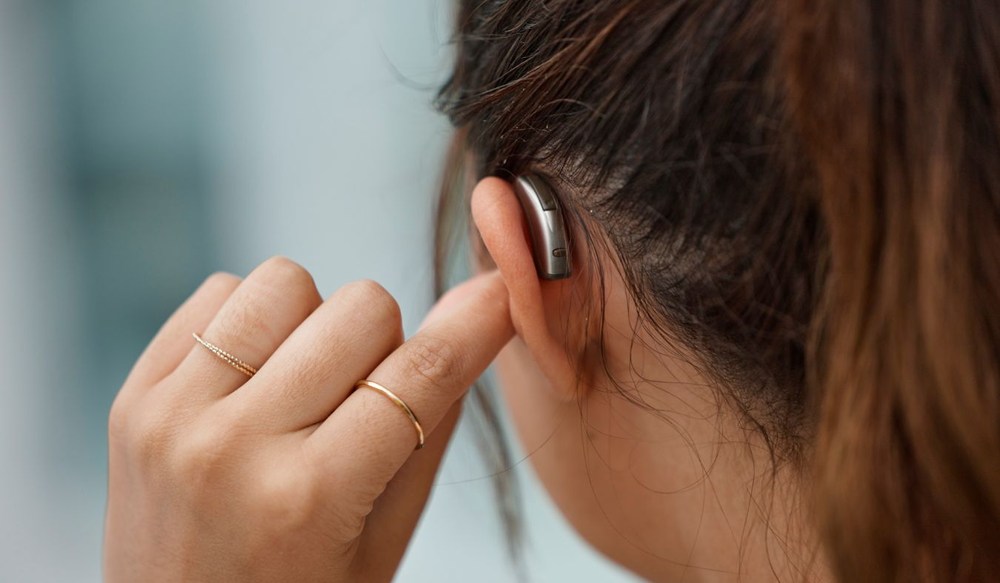
If you’ve spent time on the Bowmanville Waterfront Trail, you’ve probably noticed how quickly the sound around you changes. The breeze coming off the lake can make one conversation easy to follow and the next one surprisingly difficult.
Walk a little further and traffic, cyclists or a group of people passing by can completely change what you hear. It’s enough to make you wonder whether your hearing aids should respond differently from one outdoor setting to the next.
Outdoor listening rarely stays the same for very long. A quiet conversation on a walking trail asks something different of your hearing than a chat in a busy park or along a roadside.
Those changes don’t always call for the same hearing aid settings. Sometimes the automatic features do exactly what you need. Other times, making a small adjustment yourself can make conversations easier to follow.
Indoor and outdoor listening are different because the sounds around you aren’t arranged the same way. Inside, voices, televisions, fans and other sounds usually come from familiar locations.
Walls and ceilings keep those sounds closer. They don’t fade as quickly with distance.
Once you’re in the room, the listening environment often stays fairly steady. It usually changes only when more people arrive or someone turns something on.
Outside, the sounds around you are much less predictable. A conversation might stay quiet for a minute.
Then a motorcycle passes, the wind picks up or someone starts mowing a lawn nearby. There are also fewer buildings or walls to keep voices close.
Someone standing a short distance away may sound quieter than they would indoors. That’s one reason hearing aid settings that work well inside, don’t always sound the same outdoors.
When you’re talking with someone outdoors, the conversation isn’t the only thing reaching your hearing aids. Every sound nearby arrives at the microphones together, whether it’s speech, traffic, birds or a lawn mower a few houses away.
Hearing aids have to sort through all of that at the same time instead of receiving one sound after another. That sorting process repeats continuously because the mix of sounds is always changing.
No single adjustment works for every outdoor conversation. A quiet backyard, a downtown sidewalk and a park each send a different combination of sounds to your hearing aids.
As that combination changes, your devices analyze the new information and respond to it instead of continuing with the same response they used a few moments earlier. That’s what allows them to keep up as the listening situation changes around you.
Wind affects hearing aids differently than other types of outdoor noise, so many newer models include features that respond specifically to moving air.
Depending on the model you’re wearing, those features may include:
That changes how much attention your devices give to the person in front of you compared with noise coming from behind or beside you. Outdoor settings make that focus especially useful because sound comes from several directions at once.
Turning toward the speaker gives the microphones a better target and reduces how much nearby noise competes with the conversation. The benefit depends on where you’re standing, how much movement is around you and whether the speaker stays in front of you.
Volume control changes the overall loudness of the sounds reaching your ears. It doesn’t change speech by itself.
When speech is already clear, turning the volume higher usually won’t make conversations easier to understand. It increases voices and background noise together. That’s why a large volume change isn’t always the best answer when outdoor noise increases.
Small adjustments usually work better because outdoor conditions change quickly. You might raise the volume by one or two steps if the voices become too soft.
Lower it again once they’re easier to hear. Many devices return to their default volume after they’re turned off and back on.
Listening programs let you switch several settings with a single selection. One program may be set up for a quiet walk, while another is intended for busier outdoor spaces.
Changing programs does more than raise or lower the volume. It changes how the device responds to the listening situation you’re in. Some models recognize changes outdoors and switch programs on their own.
Others let you choose the program with a button on the device or through a smartphone app. Your hearing specialist can adjust each program to match the places you visit most often.
Automatic settings handle many outdoor situations without any input from you, but there are times when a manual adjustment makes more sense.
You may want to switch settings yourself when you notice situations like these:
You can do that while you’re walking, sitting on a patio or spending time outside with family or friends. Because the controls are easy to reach, you’re more likely to fine-tune the settings instead of leaving them the same all day.
Many apps also display the current program and volume on the screen. You always know which settings you’re using. Some apps let you save favorite combinations for places you visit often.
That makes them easy to use the next time you’re there. You spend less time adjusting settings and more time paying attention to the people and sounds around you.
You may know exactly when an outdoor setting stops working well, even if you can’t tell which control needs changing. Describe what you hear before and after the problem begins.
Mention whether voices become too soft, background sound grows louder or wind starts covering parts of the conversation. Those details tell your hearing specialist which settings need attention.
During an appointment, your hearing specialist can adjust the outdoor program and test each change with you. A volume change may not solve a problem caused by microphone direction or noise processing.
Once the settings match the situations you described, they can be saved for future use. You can then switch to that program without rebuilding the same adjustments each time you go outside.
Outdoor listening doesn’t always unfold the way you expect, so it helps to have a few things in mind before you head out. A personal checklist might include items like these:
It’s to know which adjustments are available and when they’re likely to make a difference. Once those controls become familiar, making a quick change outdoors starts to feel as natural.
If outdoor conversations still feel inconsistent after you’ve tried different settings, Hear Clear Canada in Bowmanville, Ontario can evaluate how your current programs are working.
We can adjust your settings to better match the types of outdoor environments you spend time in. You can contact us at (289) 319-0688.
If you’ve spent time on the Bowmanville Waterfront Trail,
By: admin | July 26, 2026
If you live along the north shore of Lake Ontario, you know the weather
By: admin | June 25, 2026
Your home is probably noisier than you realize. The TV is on in the
By: admin | January 19, 2026